
Redefining Health: Why Your Fitness Journey Should Be Personal and Authentic
- Daniel Miller
- 11 minutes ago
- 3 min read
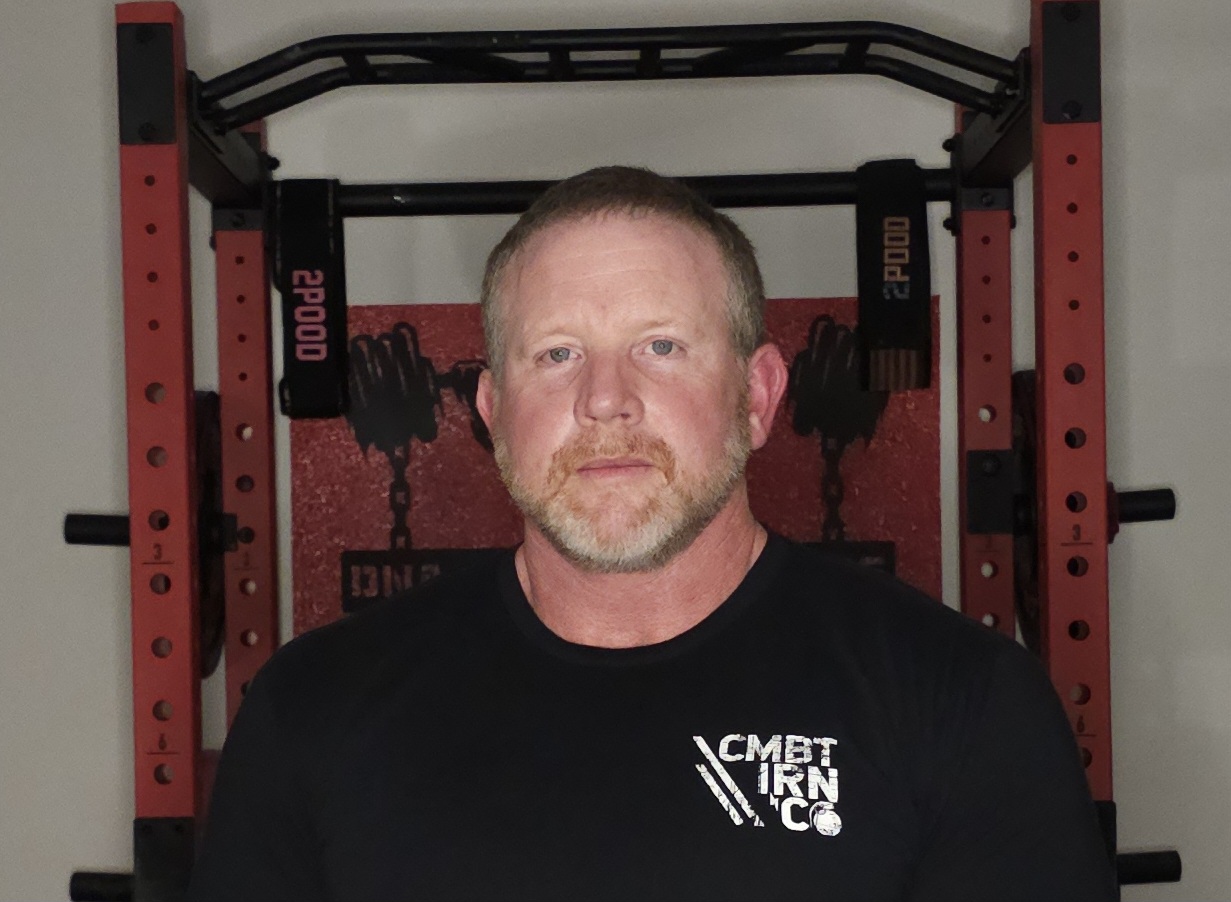
When you scroll through social media or flip through fitness magazines, it’s easy to feel like your own fitness goals don’t measure up. You see bodybuilders with chiseled physiques or influencers with flawless images and wonder if you’re doing something wrong. But what if the image you’re chasing isn’t actually a true reflection of health? What if the standards set by others, especially those in extreme fitness circles, are misleading or even harmful?
This post explores why your fitness journey should be personal and authentic, focusing on real health rather than unrealistic ideals.
The Illusion of the Bodybuilder’s Physique
Bodybuilders often represent the pinnacle of physical fitness in popular culture. Their muscles are large, defined, and impressive. Yet, the reality behind that image is more complicated.
Extreme weight fluctuations: Many bodybuilders go through cycles of gaining and losing large amounts of weight. This process, called “bulking” and “cutting,” can strain the body.
Dehydration before competitions: To look more defined, competitors often deplete their water intake days before a show, which can be dangerous.
Nutrient depletion: Strict dieting to reduce body fat to very low levels can lead to nutrient deficiencies.
Use of performance-enhancing substances: Some competitors use substances that carry health risks to achieve their look.
These practices mean that the bodybuilder’s stage-ready physique may actually represent a low point in their overall health. Outside of competition, many bodybuilders regain weight and focus on recovery.
Why Comparing Yourself to Influencers Can Harm Your Health
Fitness influencers often post highly edited images that show an idealized version of their bodies. These images can distort your perception of what healthy looks like.
Photoshopped images: Digital editing can alter body shape, skin texture, and muscle definition.
Selective posting: Influencers may only share photos when they look their best, hiding days when they feel tired or unwell.
Unrealistic standards: Trying to match these images can lead to frustration, low self-esteem, or unhealthy behaviors.
Remember, health is not about perfection or appearance. It’s about how you feel, your energy levels, and your ability to live your life fully.
Defining Your Own Fitness Goals
Your fitness journey should be based on what makes you feel strong, healthy, and happy. Here are some ways to create personal and authentic goals:
Focus on function: Set goals related to what your body can do, like running a certain distance, lifting a weight, or improving flexibility.
Prioritize mental health: Exercise should support your mood and reduce stress, not add pressure.
Listen to your body: Rest when you need it, and choose activities you enjoy.
Celebrate progress: Track improvements in endurance, strength, or well-being rather than just appearance.

Personal fitness journey in nature
Practical Tips for Staying True to Your Health
Avoid comparing yourself to others: Everyone’s body and circumstances are different.
Seek credible sources: Follow fitness advice from qualified professionals, not just popular influencers.
Be wary of quick fixes: Sustainable health comes from consistent habits, not extreme diets or supplements.
Build a support system: Surround yourself with people who encourage your authentic goals.
Track non-scale victories: Improvements in sleep, mood, energy, and strength matter more than numbers on a scale.
The Bigger Picture of Health
Health is a balance of physical, mental, and emotional well-being. Extreme focus on appearance can overshadow this balance. When you redefine health on your own terms, you create a sustainable lifestyle that supports you long-term.
Your fitness journey is unique. It should reflect your values, your body’s needs, and your life’s demands. By rejecting unrealistic ideals and embracing authenticity, you build a foundation for true health.


Comments